Marine Debris Cleanup - Malvan Coast
Project Statement
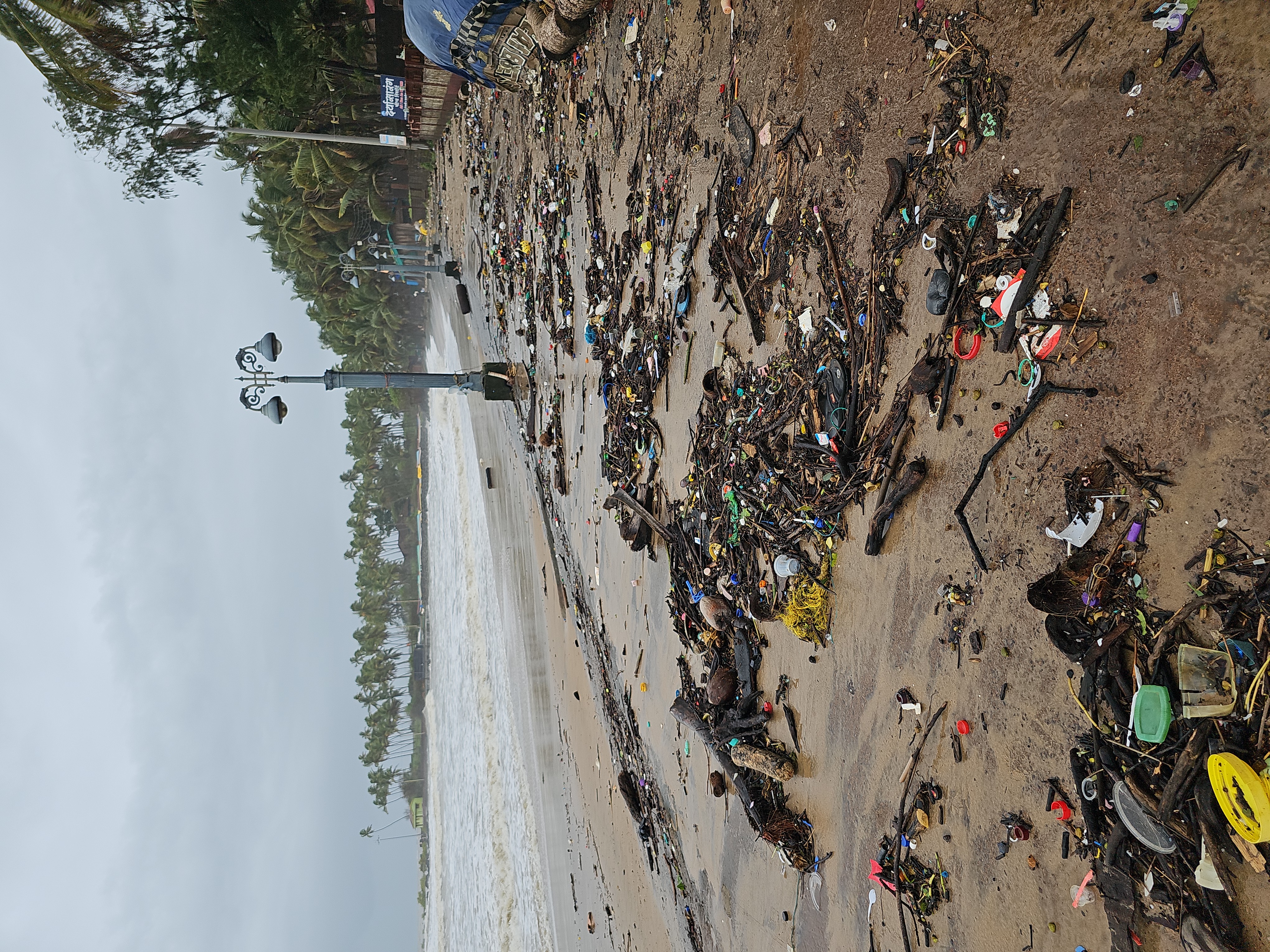
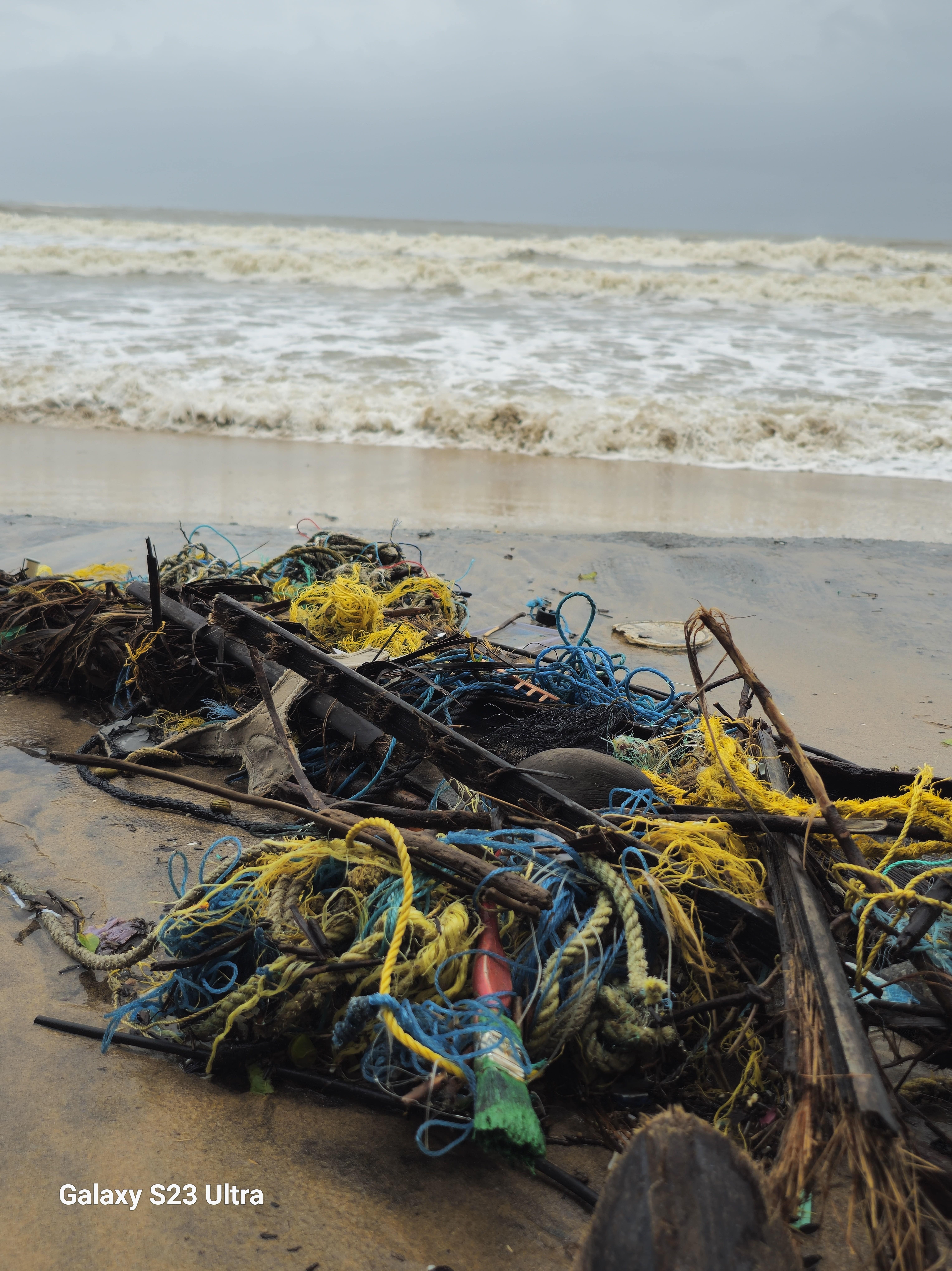
The Clean Shore Initiative – Large Scale Marine Debris Clean-up Drive along the coast of Malvan, Sindhudurg aims to address the growing threat of marine debris to coastal and marine ecosystems. Malvan is a biodiversity-rich Marine Protected Area with coral reefs and other sensitive habitats that are increasingly affected by plastic waste, abandoned fishing gear (ghost nets), and other non-biodegradable debris. The project focuses on restoring marine ecosystems, protecting coral reefs and biodiversity, supporting sustainable fisheries and responsible tourism, and promoting long-term community stewardship of the coastline.
Project Intervention
The project undertakes systematic underwater, beach, and mangrove clean-up operations at high-impact pollution sites along the Malvan coast. Trained and certified scuba divers conduct underwater surveys and selectively remove plastic waste, glass, abandoned fishing gear and ghost nets from sandy seabeds, rocky areas and coral reef ecosystems, while following safety protocols and minimizing disturbance to sensitive habitats.
The intervention is complemented by beach and mangrove clean-up drives, community participation, awareness programmes in schools and colleges, stakeholder engagement, and responsible sorting and disposal of collected waste. The initiative works collaboratively with local fishing communities, government departments, NGOs and other coastal stakeholders to promote sustainable waste-management practices and long-term behavioural change.
Project Outcome
The Clean Shore Initiative at Malvan, Sindhudurg has demonstrated significant and measurable impact through Phase I and Phase II of the Marine Debris Cleanup Programme.
Across both phases, the initiative has removed 6,600 kg of marine and coastal waste, including 4,020 kg of marine debris from the ocean floor and coral reef areas and 2,580 kg of non-biodegradable waste from beaches and coastal/mangrove areas. Phase I removed over 700 kg of underwater marine debris and 750 kg of beach waste, while Phase II removed 3,320 kg from the ocean floor and 1,830 kg from coastal and mangrove areas.
The interventions have helped reduce the impact of ghost nets, plastics and other marine debris on coral reefs and marine biodiversity, while improving the condition of sensitive ocean-floor habitats. Phase II alone covered approximately 175 hectares of marine and coastal area, including coral reef habitats.
The project has also strengthened community participation and stakeholder collaboration, involving fishing communities, government agencies, NGOs, scuba-diving teams and local institutions. Awareness activities and engagement with local fishermen have promoted sustainable fishing practices, responsible waste management and long-term stewardship of marine ecosystems.
Together, Phase I and Phase II have established a strong foundation for long-term marine conservation, coral reef protection, sustainable livelihoods and responsible coastal tourism, while creating a replicable model for marine debris management in other coastal regions.